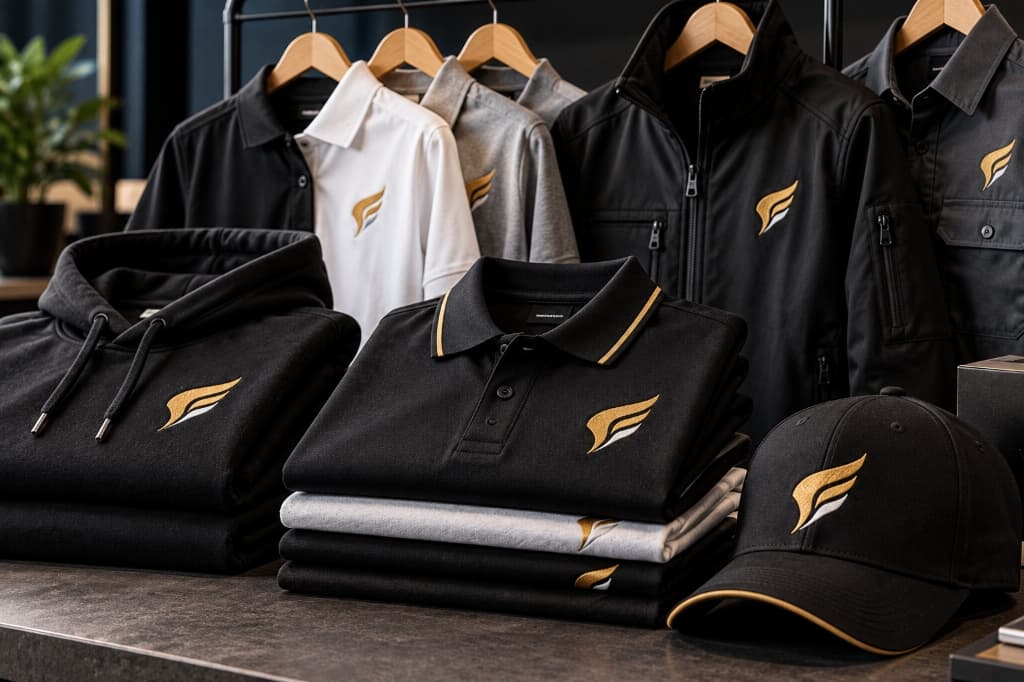
A well designed company uniform accomplishes two essential goals at once: it projects a unified, trustworthy image to your customers, and it gives your team members comfortable, functional clothing they take pride in wearing. When uniforms feel ill fitting, scratchy, or cheap, employee morale drops and your brand impression suffers. Choosing the right apparel requires balancing fabric performance, climate demands, and branding placement.
1. Evaluate the Real Physical Demands of the Role
Before selecting colors or logos, analyze the daily environment of your staff. An office team meeting clients in a climate controlled showroom requires completely different apparel than field technicians, kitchen staff, or warehouse logistics personnel.
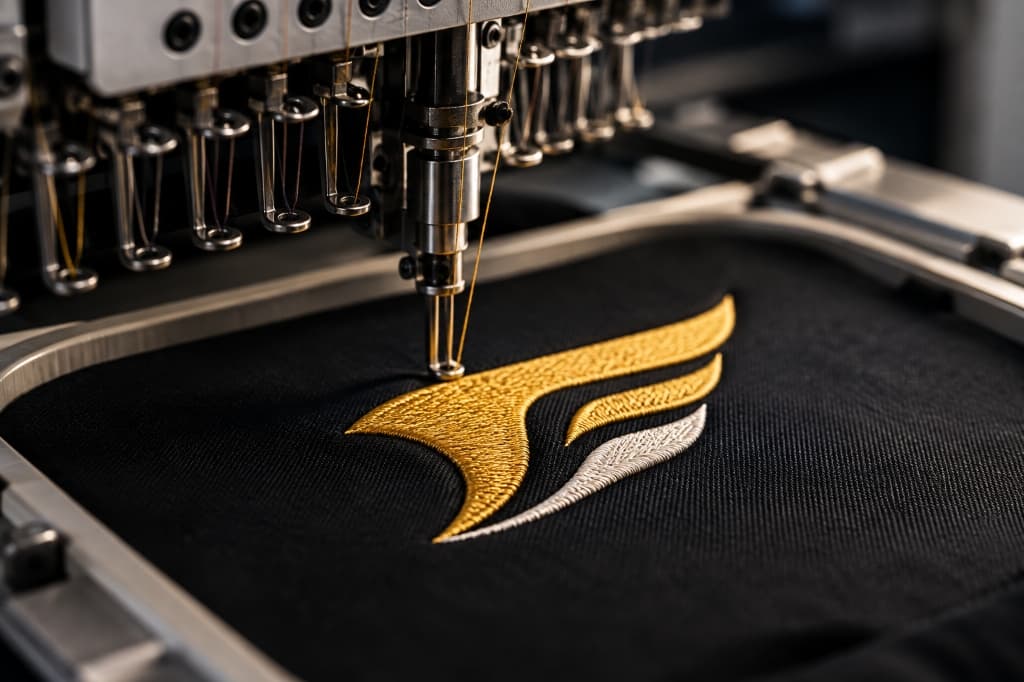
- Client facing and executive teams: Premium 100% ring spun cotton pique polos or structured button down shirts with clean, subtle left chest embroidery.
- Active service and retail staff: Cotton and polyester moisture wicking performance blends that resist wrinkles and allow full range of motion.
- Trades, facilities, and warehousing: Heavyweight twill or poly cotton canvas with reinforced double needle seams that withstand abrasive work and grease.
- Hospitality and culinary: Soil release treated fabrics with breathable mesh panels to keep staff cool under hot kitchen lighting.
2. Cotton vs. Polyester Blends: Making the Right Tradeoff
Fabric composition directly determines comfort and long term garment lifespan. Pure 100% cotton offers superior hand feel, natural breathability, and zero synthetic shine. However, cotton is more susceptible to wrinkles and can shrink slightly under high heat commercial drying.
A 60/40 or 65/35 poly cotton blend is often the sweet spot for commercial uniforms. The polyester fibers provide wrinkle resistance, color retention, and tear strength, while the cotton fibers keep the fabric breathable and soft against the skin.
Look for garments constructed with pre shrunk fabrics, ribbed collar bands that do not curl after washing, and taped neck and shoulder seams to prevent stretching over time.
3. Strategic Logo Placement and Sizing
A uniform should communicate your brand identity without looking like an advertising billboard. The standard corporate placement is the left chest, typically measuring between 3.0 to 3.75 inches in width. This location stays in natural eye contact during personal conversations.
For active field staff, secondary branding placements provide practical benefits. Adding an embroidered logo to the right sleeve or upper yoke on the back ensures visibility when staff wear aprons, safety vests, or backpacks.
4. Building an Accurate Sizing Breakdown
One of the most frequent mistakes companies make is guessing size distributions. Ordering an equal number of small, medium, large, and extra large shirts leaves you with surplus sizes and disappointed employees. For US corporate teams, standard order curves usually peak at Large and Extra Large:
- Small: 10% of total order
- Medium: 25% of total order
- Large: 35% of total order
- XL: 20% of total order
- 2XL and 3XL: 10% of total order
Whenever possible, distribute a sample sizing kit before committing to a full uniform rollout. At Fabby Stitch, we provide sample blank garments so your employees can test real fit and comfort before workshop production begins.
Need Custom Apparel for Your Team or Brand?
Design custom hoodies, tees, polos, or caps with your logo in our interactive configurator, or connect directly with our New York workshop specialists for bulk volume discounts.